What Are Roof Eaves? 4 Types, Benefits & Common Issues
Understanding roof eaves is important for homeowners who want to protect their roof structure and improve overall home performance. Roof eaves extend beyond the exterior walls and help direct water away from the home while supporting ventilation and protecting siding.
Although roof eaves may seem like a simple design feature, they play a major role in preventing moisture damage and improving the durability of residential roofing systems. In the Texas Hill Country — where summer heat regularly tops 100°F, spring storms can dump several inches of rain in a single afternoon, and UV exposure is relentless year-round — properly functioning eaves are one of the most important lines of defense your home has.
Homeowners should understand:
- What roof eaves are: Where they are located and how they function.
- Types of eaves: Common design variations used on homes.
- Maintenance needs: How to prevent common problems over time.
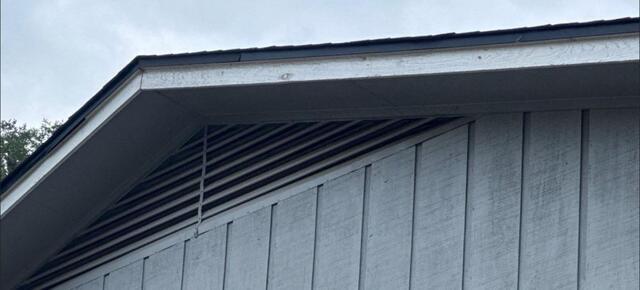
What Are Roof Eaves and How Do They Work?
Roof eaves are the edges of a roof that extend past the exterior walls of a home. This overhang helps protect the structure by directing rainwater away from the siding and foundation — both critical concerns in Central Texas, where heavy storm runoff and expansive clay soils make foundation protection a top priority for homeowners.
Eaves also house important components such as soffits and fascia, which work together to support ventilation and protect the roofline from weather exposure.
Key Components of Roof Eaves
Roof eaves include several parts that contribute to their overall function. Each component plays a role in protecting the home and maintaining airflow.
- Soffit: The underside of the eave that allows ventilation into the attic space.
- Fascia: The horizontal board that supports the gutter system.
- Overhang: The extension of the roof deck beyond the exterior wall.
Why Roof Eaves Are Important
Roof eaves provide protection and support for the entire roofing system. Without proper eaves, homes are significantly more exposed to water damage, heat buildup, and structural wear.
- Water control: Directs rainwater away from the home's siding and foundation.
- Ventilation support: Helps regulate attic airflow and temperature.
- Exterior protection: Shields siding and windows from direct weather exposure.
4 Types of Roof Eaves
Different types of roof eaves are used depending on home design, climate, and ventilation needs. Each type offers specific advantages, and the right choice depends on your home's architecture and how much weather protection your roofline requires.
1. Open Eaves
Open eaves expose the underside of the roof structure, including the rafters. This style is often used in specific architectural designs where visible structural elements are part of the aesthetic.
- Exposed rafters: Structural elements are visible from below.
- Ventilation potential: Allows airflow when designed and maintained properly.
- Design style: Common in rustic, craftsman, or custom Hill Country homes.
2. Closed Eaves
Closed eaves are finished with soffits that cover the underside of the roof overhang. This is one of the most common styles in residential roofing across New Braunfels and the surrounding area.
- Finished appearance: Clean, enclosed look that complements most home styles.
- Pest protection: Reduces entry points for insects, wasps, and small animals — all common concerns in Central Texas.
- Ventilation control: Works with soffit vents to regulate attic airflow.
3. Boxed Eaves
Boxed eaves are enclosed with a horizontal soffit and vertical fascia, creating a fully enclosed box-like structure. This style is commonly used in modern and newer construction homes.
- Structured design: Fully enclosed for maximum weather protection.
- Improved durability: Reduces direct exposure to rain and UV.
- Consistent appearance: Creates clean, architectural lines along the roofline.
4. Abbreviated Eaves
Abbreviated eaves have minimal overhang and are often used in contemporary home designs. They are increasingly common in newer Hill Country developments where clean exterior lines are prioritized.
- Short overhang: Limited extension beyond the wall.
- Modern style: Common in newer construction neighborhoods.
- Trade-off: Less water protection for siding and foundation compared to longer overhangs.
Benefits of Roof Eaves for Homeowners
Properly designed eaves help prevent damage and extend the life of roofing systems — delivering real value that goes well beyond aesthetics.
Water Protection and Drainage
One of the primary benefits of roof eaves is their ability to control water runoff and protect the home's exterior during the heavy rain events the Hill Country sees regularly.
- Rainwater direction: Moves water away from siding and foundation during storms.
- Reduced erosion: Helps protect landscaping and soil from concentrated runoff.
- Foundation protection: Limits water pooling near the home — critical on Central Texas clay soils that expand and shift when wet.
Improved Ventilation
Eaves play a key role in supporting attic ventilation when combined with properly functioning soffits. In a Texas summer, this isn't a minor benefit — it's the difference between a 140°F attic and one that stays at a manageable temperature.
- Airflow regulation: Helps maintain consistent attic temperatures throughout the year.
- Moisture control: Reduces condensation buildup during humidity swings.
- Energy efficiency: Supports better insulation performance and lower cooling costs.
Extended Roof Lifespan
Properly functioning roof eaves help reduce stress on roofing materials and prevent premature wear — extending the overall life of the system.
- Reduced exposure: Protects roof edges from direct weather contact.
- Material longevity: Helps shingles maintain integrity longer under UV and heat stress.
- Structural support: Maintains stability at the most vulnerable edges of the roof.
Common Issues With Roof Eaves
Roof eaves can develop problems over time if not properly maintained. In Central Texas, the combination of heat, UV exposure, seasonal storms, and active pest populations means eave issues tend to develop faster than in cooler, drier climates. Identifying problems early is always less expensive than addressing them after damage has spread.
Water Damage and Rot
Moisture exposure is one of the most common issues affecting roof eaves, particularly on homes with wood fascia or older soffit materials.
- Rotting wood: Caused by prolonged water exposure, often traced to clogged or overflowing gutters.
- Peeling paint: A visible indicator of moisture problems that warrant closer inspection.
- Structural weakening: Damaged eaves lose the ability to support gutters and shed water properly.
Pest and Animal Intrusion
Eaves are a common entry point for pests when gaps or damage are present — a genuine concern in the Hill Country, where wasps, carpenter bees, and small rodents are active year-round.
- Insect activity: Wasps and bees frequently nest in open or damaged eave areas.
- Rodent entry: Small openings allow animals access to attic spaces.
- Compounding damage: Pest activity can worsen existing structural problems quickly.
Ventilation Problems
Improper ventilation reduces roof performance and can dramatically shorten shingle lifespan in a Texas climate.
- Blocked soffits: Accumulated debris or improper installation prevents airflow.
- Condensation: Leads to mold, mildew, and moisture damage in the attic structure.
- Reduced efficiency: Affects insulation performance and increases cooling loads.
Maintenance Tips for Roof Eaves
Regular maintenance helps keep roof eaves in good condition and prevents costly repairs. In Central Texas, a twice-yearly inspection — once in the spring before storm season and once in the fall — is a reasonable baseline for most homes.
Routine Inspections
Checking roof eaves regularly helps identify potential issues before they escalate.
- Visual checks: Look for cracks, soft spots, rot, or discoloration along the fascia and soffit.
- Soffit condition: Ensure vents are clear, intact, and free of pest activity.
- Gutter alignment: Confirm gutters are properly seated against the fascia and draining correctly.
Cleaning and Upkeep
Keeping eaves clean helps prevent moisture buildup and debris-related damage.
- Remove debris: Clear leaves, twigs, and dirt from gutters and soffit vents after storms.
- Clean soffits: Prevent blockages in ventilation areas, especially after windy weather.
- Check drainage: Ensure water flows away from the home's foundation after heavy rain.
Repair and Replacement
Damaged eaves should be repaired or replaced promptly to maintain roof performance and prevent moisture from spreading into the structure.
- Minor repairs: Address small cracks, gaps, or paint failure early before water infiltrates.
- Replace damaged sections: Targeted section replacement is often cost-effective when damage is localized.
- Upgrade materials: PVC or aluminum-wrapped components offer longer service life with less maintenance in a Texas climate than untreated wood.
Protect Your Home With Proper Roof Eave Maintenance
Roof eaves play an essential role in protecting your home from water damage, improving ventilation, and supporting the long-term performance of your roofing system. Understanding how eaves work helps homeowners recognize problems early and take action before a maintenance issue becomes a major repair.
At Klaus Roofing Systems of Texas Hill Country, we provide roof repair, full roof replacements, gutter installation, and complete exterior services — including inspection and repair of eaves, soffits, and fascia. Our team is trained to identify roofline issues that often go unnoticed until they've caused real damage, and we give every homeowner a straight answer about what needs to be done and what can wait.
If you have questions about your roof eaves or want a professional set of eyes on your roofline, contact Klaus Roofing today to schedule a free inspection.
📞 Call 1-830-214-0441 or visit krsoftxhillcountry.com to schedule your free, no-obligation inspection.
Klaus Roofing Systems of Texas Hill Country · 1965 Post Rd Suite 208, New Braunfels, TX 78130 · Contractor ID: 231578 · Serving New Braunfels, Canyon Lake, San Marcos, Seguin, Bulverde, Boerne, San Antonio, and the surrounding Hill Country region. ¿Habla Español? También ofrecemos atención en español.
Written by the Klaus Roofing Systems of Texas Hill Country team — GAF Certified · IKO RoofPro Select Certified · Klaus Roofing Systems Authorized Dealer · Certified Master Craftsman · BBB Accredited