How Long Does It Take to Replace a Roof? A Central Texas Homeowner's Guide
How long does it take to replace a roof? It's one of the first questions homeowners ask when they start planning a roofing project — and the honest answer is: it depends. While many roof replacements wrap up in a single day, the full process includes several steps before and after installation that affect the total timeline.
Across Central Texas, factors like roof size, material selection, and our unpredictable weather all play a role in how a project comes together. Knowing what to expect at each stage helps you plan ahead and avoid surprises.
Most homeowners want to know three things:
- Total timeline — how long the entire process takes from first call to final cleanup
- Installation time — how long crews are actually working on the roof
- What affects timing — what can speed things up or cause delays
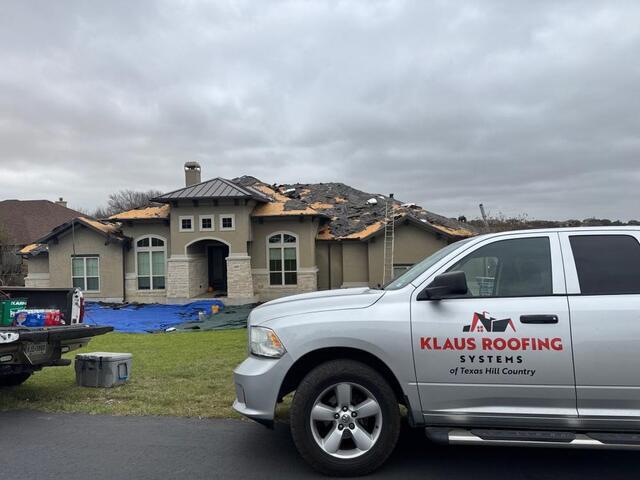
What Impacts Roof Replacement Timing?
No two roofing projects are exactly alike. While the installation itself can move quickly, preparation and planning shape the overall schedule just as much.
Central Texas homes vary widely in size and complexity — from straightforward ranch-style roofs to multi-slope custom builds — and that variety directly affects how long the work takes.
Key factors that affect timing:
- Roof size — larger roofs require more time and materials
- Roof complexity — multiple slopes, valleys, dormers, and skylights add installation time
- Weather conditions — Central Texas storms, high winds, and summer heat can pause work
- Roofing material — some materials install faster than others
Typical timeline overview:
- Planning phase — 1 to 2 weeks for inspection, estimate, and scheduling
- Material delivery — 1 to 3 days before installation begins
- Installation — 1 to 3 days for most asphalt shingle roofs
6 Steps in a Roof Replacement Timeline
A roof replacement is more than putting down new shingles. Each step below plays a role in making sure the finished roof performs properly and lasts for years in the Central Texas climate.
1. Roof Inspection and Estimate
Every project starts with a professional inspection. A Klaus Roofing crew member assesses your existing roof, checks for damage, measures the surface, and provides a detailed estimate.
- Usually completed in a single visit
- Identifies damage and defines the scope of work
- Results in a clear estimate and material recommendations
2. Material Selection and Scheduling
Once the estimate is approved, you choose your roofing materials and lock in an installation date. Getting materials confirmed early ensures nothing holds up your project.
- Options include asphalt shingles, metal roofing, and others suited to Central Texas conditions
- Scheduling based on crew availability and weather forecast
- Typically takes a few days to a week
3. Permits and Preparation
Depending on your location, permits may be required before work begins. We handle that process and prepare the property to protect your landscaping and exterior.
- Permit requirements vary by municipality across Central Texas
- Site prep protects your property during installation
- Materials are delivered and staged before the crew arrives
4. Removing the Old Roof
Before anything new goes on, the existing roofing materials come off. This exposes the roof deck and gives us a clear look at what's underneath.
- Removal typically takes a few hours to one full day
- Deck is inspected for rot, damage, or soft spots
- Old materials are collected and hauled off the property
5. Installing the New Roof
This is the main event. An experienced Klaus Roofing crew can complete most Central Texas shingle installations in one to two days.
- Underlayment, shingles, and flashing are installed in sequence
- Quality checks happen throughout the process
- Proper ventilation is confirmed — critical for keeping attic temperatures in check during Texas summers
6. Final Inspection and Cleanup
Once installation is done, we walk the roof, confirm everything is installed correctly, and clean the property — including a magnet sweep for nails.
- Final inspection confirms quality and completeness
- All debris and old materials are removed from the property
- Your new roof is ready for whatever Central Texas throws at it
How Long Does Installation Take by Material?
| Material | Typical Installation Time |
|---|---|
| Asphalt Shingles | 1 to 2 days |
| Metal Roofing | 2 to 4 days |
| Complex / Custom Systems | 3 to 5 days or more |
Asphalt shingles are the most common choice across Central Texas — efficient to install, widely available, and well-suited to intense heat and UV exposure.
Metal roofing takes longer due to panel precision and specialized fastening, but delivers excellent longevity in the Texas climate.
Complex rooflines — homes with dormers, skylights, multiple valleys, or steep pitches — require more time and careful detail work regardless of material.
What Can Delay a Roof Replacement?
Even well-planned projects can hit unexpected snags. Here's what to keep in mind:
Weather delays — Spring storm season, high winds, and summer heat can all pause installation. We monitor forecasts closely and communicate any changes as early as possible.
Unexpected deck damage — Once the old roof comes off, we occasionally find rotted decking or structural issues that need to be addressed before new materials go down. It adds time, but skipping it isn't an option.
Material lead times — Certain specialty materials or colors may have longer delivery windows. Confirming your selection early keeps the schedule on track.
Plan Your Roof Replacement With Confidence
Understanding the full timeline — not just the installation day — helps you prepare for each phase of your project without stress.
Klaus Roofing is based in New Braunfels and has been serving Central Texas homeowners with honest inspections, clear timelines, and quality installations built to last.
Ready to get started? Contact Klaus Roofing to schedule a free inspection. We'll walk you through every step and give you a straight answer on timing for your home.
Serving New Braunfels, San Antonio, Seguin, San Marcos, Kyle, and surrounding Central Texas communities.